
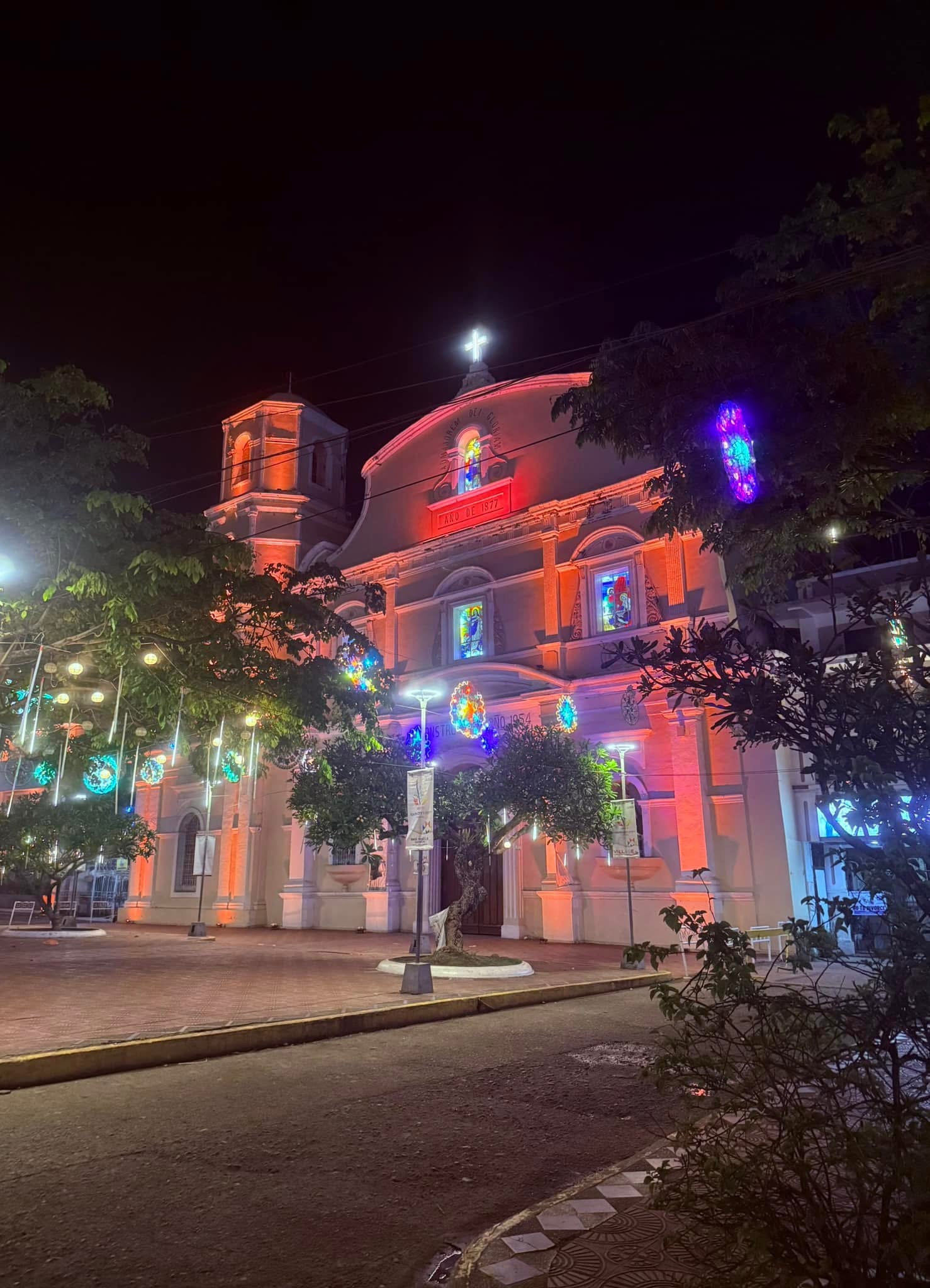

Filipinos living abroad—whether as immigrants or temporary workers—often feel especially nostalgic and homesick during the December holidays. What makes the Philippine Christmas so unique, so “more fun,” and so worth coming home for?
Christmas Day, along with New Year’s Eve, ranks among the globe’s most celebrated holidays. Observed on December 25, Christmas is an annual festival commemorating the birth of Jesus Christ. Over time, it has evolved into a religious and cultural event enjoyed by billions—Christians and non-Christians alike. Across nations, Christmas customs vary; nevertheless, shared themes endure: festive decorations, family gatherings, gift exchanges, feasts, church services, caroling, and Christmas trees.
“This post may contain affiliate links, which means I receive a small commission, at no extra cost to you, if you make a purchase through a link.”
Christmas in the Philippines is a festive time of the year. It is one of the highlights of the Filipinos’ yearly traditions and celebrations. Let me give you 10 reasons why “Pinoy” Christmas is more fun in the Philippines:
1. We have the longest Christmas season festivity.
The Christmas season in the Philippines begins in September, the start of the “ber” months: September, October, November, and December. So expect some houses and even most malls and establishments to have already set up their Christmas decorations. Filipinos are naturally warm and fun-loving, and the longer the celebration, the more time there is to enjoy and share joy with family and friends.


Waterproof Travelling Luggage for Men Women
2. Filipinos love to sing, and that includes Christmas songs.
Perhaps it’s our genetic design, or perhaps it’s simply part of the Philippines’ culture, but we are a people who deeply appreciate music. Karaoke bars and videoke machines become everyday stress relievers, and our love for music shines—from globally acclaimed talents to our playful “shower concerts” with a tabo and timba. Bottom line: music may not love each of us back, but we absolutely love music. And when Christmas season arrives, we rarely pass up a chance to sing or to savor beautiful tunes.
It’s the time of year when we can revel in musical special events and concerts—Christmas songs lovingly rehearsed for weeks or months, sung in both English and Filipino. We also get to witness our children’s meaningful Christmas performances at school, memories we’ll cherish for years to come.


Also, don’t be surprised to hear children belting out “Pasko na naman, O kay tulin ng araw…” as early as September. Kids here are enthusiastic carolers and begin Christmas wishes well in advance. After all, Christmas is a season for children.
3. We create beautiful and unique Philippine Christmas decorations.
It’s a time when creativity soars as we craft stunning and unique decorations—often using materials that can only be found in the Philippines. We typically begin early, adorning our homes and public spaces—malls, schools, and government offices—from September onward.
There are parks specially decorated with lights and festive décor during this season, inviting families and friends to bond while admiring the dancing lights. The displays encourage togetherness, making holiday gatherings more meaningful.


8 Pack Silicone Luggage Tag for Suitcases with Stainless Loop, TSA Approved, Privacy Protection Mixed Color


Typically, decorating contests are already a Philippine tradition before December 25, held to recognize and award special prizes for outstanding creations.
4. “Monito, Monita”, a more current Philippine Christmas gift-giving tradition.
Aside from the Christmas “Aguinaldo”—the Spanish-inherited tradition of giving gifts where children typically receive wrapped presents or envelopes with money—we now have a more contemporary and playful approach: “Monito, Monita.”
Weeks before Christmas Day, people in groups—whether a class block, a workplace team, or an entire department—draw names to reveal their secret Monito or Monita. After the draw, participants share notes about the types of gifts their assigned person would appreciate. The possibilities are wide and imaginative—long, short, quirky, or surprising—allowing for real creativity.
The final gift exchange at the Christmas party usually reflects the recipient’s wish list and adheres to an agreed-upon budget. It’s a fun, modern twist on gift-giving that helps ensure everyone receives a present by Christmas Day. If you’d like, I can tailor the tone (more formal, more festive, or more playful) or adjust the example to fit a specific audience.


5. The Philippine Christmas Tradition of “Simbang Gabi” for Catholics.
80% of the population identifies as Catholic, and in Filipino Christmas tradition, the Simbang Gabi—a devotional novena of Masses held from December 16 to December 24—is an important practice. These Masses typically start in the pre-dawn hours, around 3:00 to 5:00 a.m., and many Catholics strive to attend all nine days. The final Mass on Christmas Eve is known as Misa de Gallo.


During the Simbang Gabi season, many parish churches host outdoor stalls where native Filipino delicacies are enjoyed after Mass. Popular treats include suman, bibingka, and puto bumbong, among others. few.

Phone Protective Pouch Lightweight Portable Waterproof Case
6. The Philippine Christmas is the time for our most-awaited 13th Month Pay.
In the Philippines, the Christmas holiday is equivalent to 13th-month pay. This is one of the best, if not the best, things about being employed during this season. All employers must pay their employees a 13th-month pay as required by the Presidential Decree No. 851 (otherwise known as Thirteenth Month Pay Law) not later than December 24th annually. It is equivalent to the employee’s salary divided by the number of (days) months employed. Of course, the 13th-month pay only means one thing: Yep, Christmas shopping!
7. It’s time for Philippine Christmas Sales & Discounted items are everywhere.
This is the time of the year when common Filipinos jokingly refer to themselves as rich. Hello there, 13th-month pay and Christmas bonus! And when everyone’s feeling generous, there definitely will be Christmas sales and discounted items everywhere. Christmas hair rebond, anyone?
During this season, mall owners would usually adjust their operational hours and would remain open until midnight. Additionally, this would be the perfect time to facilitate mall-wide sales. There will be a plethora of “street tianges” legally, and sometimes illegally, situated in different areas easily accessible to buyers.
And then there’s the “superstars” of sales, the famous Divisoria and Baclaran Market Districts. Looking for great bargains of anything from clothes to toys to school supplies to kitchen tools, these two districts are must-go-to during the Christmas season.

8. The Philippine Christmas holiday is a season of family fun and gatherings.
Filipinos are family-oriented and cherish reunions and gatherings. Christmas is a wonderful season of gatherings and parties. Expect schools, churches, malls, companies, and other types of units and communities conduct their Christmas parties.
All family members should be home during Christmas eve and even those working abroad would excitedly fly home to join the “Noche Buena”. This is one of the older traditions still being practiced by the majority of the population and one of the most meaningful events of the year.

9. Amazing Filipino cooks prepare the Christmas feasts with a heart.
Filipino cooks masterfully pour their hearts into food for special occasions, and Christmas feasts are no exception. It’s a special time of the year when the table showcases a variety of dishes influenced by international cuisines. There’s Malay, Spanish, Chinese, Italian, and American food all in one spread. This diversity is one of the richest rewards of our culture and history.

On a Filipino Christmas table, the crowd favorites include lechon (roasted pig) and hamon (Christmas ham). You’ll also find spaghetti, assorted paellas, crispy pata, pancit, spring rolls, fruit salad, queso de bola (Spanish ball cheese), fried chicken, pandesal, and more.

Another cherished tradition is placing 12 circular fruits on the table to celebrate the New Year. This assortment typically features grapes, oranges, and watermelon—any round fruit. The circular shapes symbolize luck for the next 12 months of the coming year.

ErGear Height Adjustable Electric Standing Desk, 47.2 x 23.6 Inches Sit Stand up Desk

More reading: Christmas in the Philippines (Wikipedia)
10. After the Philippine Christmas, we celebrate New Year’s Eve with a big BANG!
Christmas Day and New Year’s Day are celebrated together during the long holiday season. In the weeks leading up to New Year’s Day, expect firecracker vendors in designated areas all over the country.
For New Year’s Eve, Filipinos celebrate with spectacular fireworks and the loudest, noisiest firecrackers and horns. Firecrackers even earn curious names like “super lolo” (grandfather), a string of firecrackers known as Judas belt, “Goodbye Philippines,” and “kwitis” (rocket). These traditions reflect a superstition attributed to Chinese influence—that creating noise can drive away bad luck for the coming year.

In Unison
The Philippines is an archipelago, and Filipinos are often divided by class, social status, politics, dialects, beliefs, religion, and hundreds of other differences. Yet the Christmas season stands out as one of the few occasions that can uphold unity. It serves as a reminder that, despite our differences, if we choose to come together. We can be part of a larger whole and celebrate something beautiful and meaningful in unison.


Leave a Reply